Helping the Blind See With Their Tongues
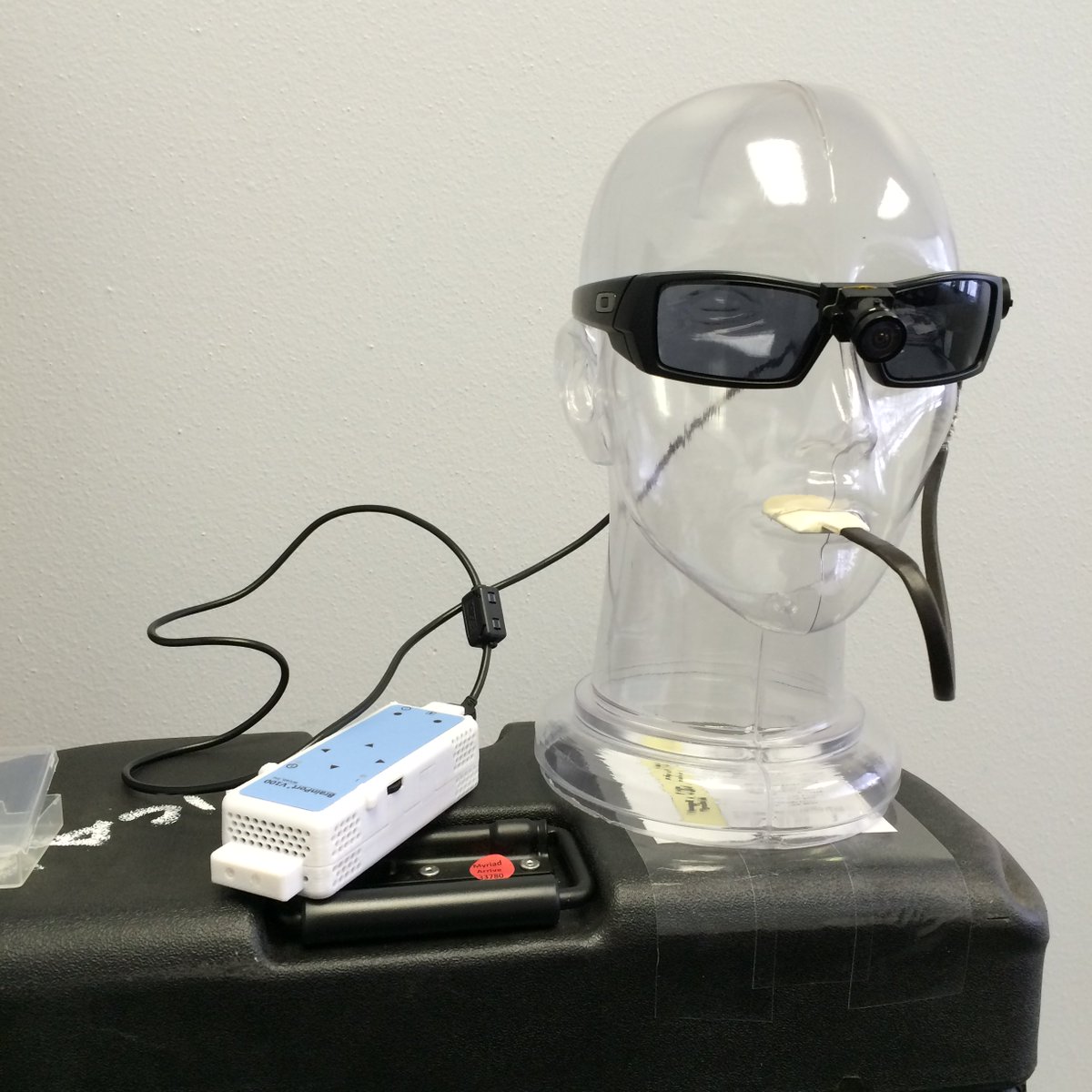
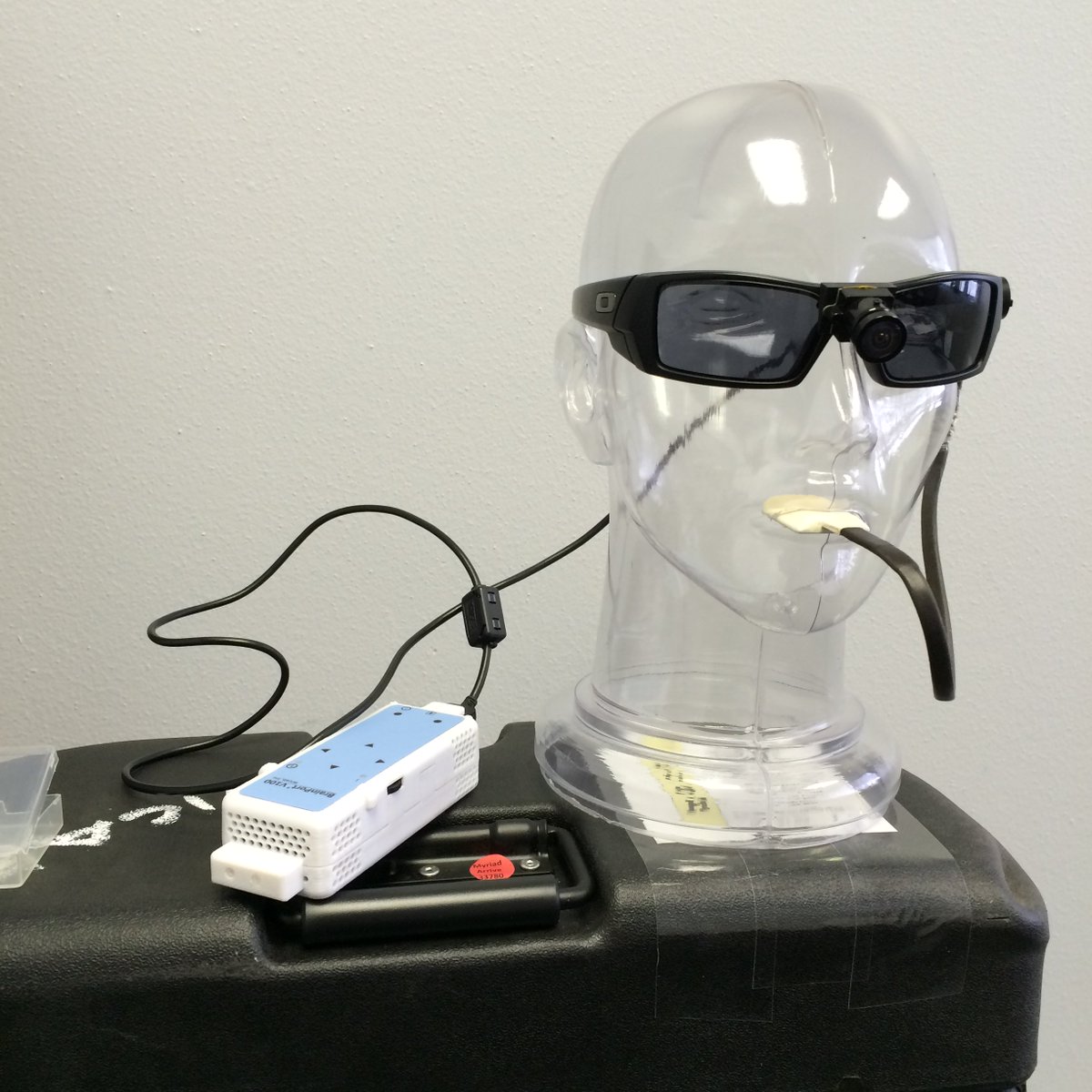
Now here’s something that should be celebrated: there’s an increasing number of sensory-substitution devices being developed that use the brain in the most remarkable way. These devices take in visual information from the environment and translate it into forms of physical touch or sound in order to be interpreted by the user as vision.While these devices were designed with the goal of restoring lost sensation, in the past decade they have begun to revise our understanding of brain organization and development. The idea that underlies sensory substitution is a radical one: that the brain is capable of processing perceptual information in much the same way, no matter which organ delivers it. The advanced technology of the BrainPort V100 is helping the blind see with their tongues, and feel what kind of impact these new innovations can have on someone’s quality of life.